Reform Army and the Role of Civic Participation in Strengthening Democracy
When Citizens Choose to Ask, Act, and Demand Answers
When Questions Safeguard Democracy
Democracy remains resilient when citizens continue to ask questions, seek clarity, and expect accountability from institutions. It becomes fragile when public curiosity fades into silence. Recent incidents, including the tragic death of Anjel Chakma, have highlighted the importance of sustained civic engagement in addressing concerns related to student safety, discrimination, and institutional responsibility. Such moments remind society that awareness must be accompanied by structured participation to support justice and reform.
From Public Concern to Structured Engagement
Expressions of concern often begin with discussions, public reflection, and calls for change. However, meaningful outcomes require organised and consistent civic action. Reform Army has been developed as a channel through which citizens can convert concern into documented communication with authorities.
By enabling individuals to draft and send focused emails to relevant departments, the platform supports a formal process of inquiry and follow-up. This method ensures that public-interest issues are presented in a clear, traceable, and constructive manner. It shifts civic participation from informal expression to recorded dialogue.
Asking Clear and Relevant Questions
Effective civic participation begins with well-framed questions. In cases that raise public concern, citizens often seek clarity on preventive measures, institutional protocols, and timelines for response. Structured email campaigns provide a means to request such information respectfully and systematically.
Documented queries encourage administrative review and support transparency. They also help create a public record of engagement, which is essential for long-term accountability and policy evaluation.
The Importance of Documentation
One of the key strengths of email-based civic participation lies in its ability to create verifiable records. When concerns are formally communicated, they become part of an institutional archive. This process reduces the likelihood of issues being overlooked and encourages timely responses.
Documentation also supports continuity. It allows citizens to follow up on earlier communications, assess progress, and maintain attention on matters that require sustained review. In this way, civic participation becomes a consistent process rather than a temporary reaction.
Collective Civic Voice
Individual participation is valuable, yet collective engagement amplifies impact. When multiple citizens communicate similar concerns through coordinated campaigns, the volume and consistency of communication signal the importance of the issue.
Reform Army facilitates this collective approach by providing a structured framework for participation. It enables individuals to contribute to a shared civic effort while maintaining respectful and lawful communication. This strengthens democratic processes by ensuring that institutions remain responsive to public input.
Participation as a Democratic Responsibility
Seeking answers from public authorities is a fundamental democratic right. It is not an act of confrontation but a contribution to transparent governance. Respectful, issue-focused communication helps build trust between citizens and institutions and encourages collaborative problem-solving.
Civic participation also promotes awareness and informed discussion. When citizens engage constructively, they support systems that are more inclusive, accountable, and responsive to real needs.
Conclusion
Tragic events often prompt national reflection. Their long-term significance depends on whether they lead to sustained engagement and institutional improvement. Platforms such as Reform Army provide a practical method for maintaining this engagement through structured communication and collective participation.
Civic participation, when consistent and constructive, strengthens democracy by ensuring that public voices remain part of institutional dialogue.
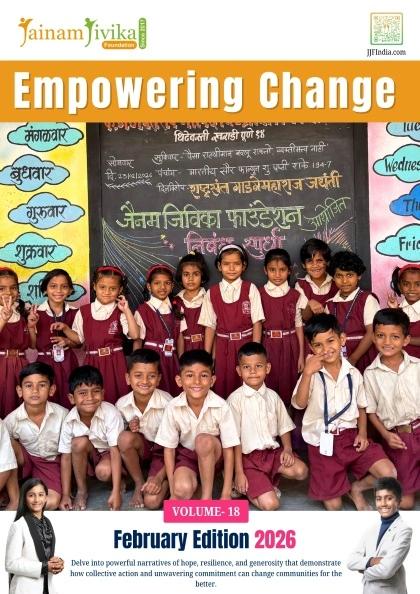
MONTHLY MAGAZINE
Social media icons









© 2024 - 2026 ReformArmy.com - An Initiative by Jainam Jivika Foundation. All Rights Reserved.