Participation Is the New Protest for Real Change
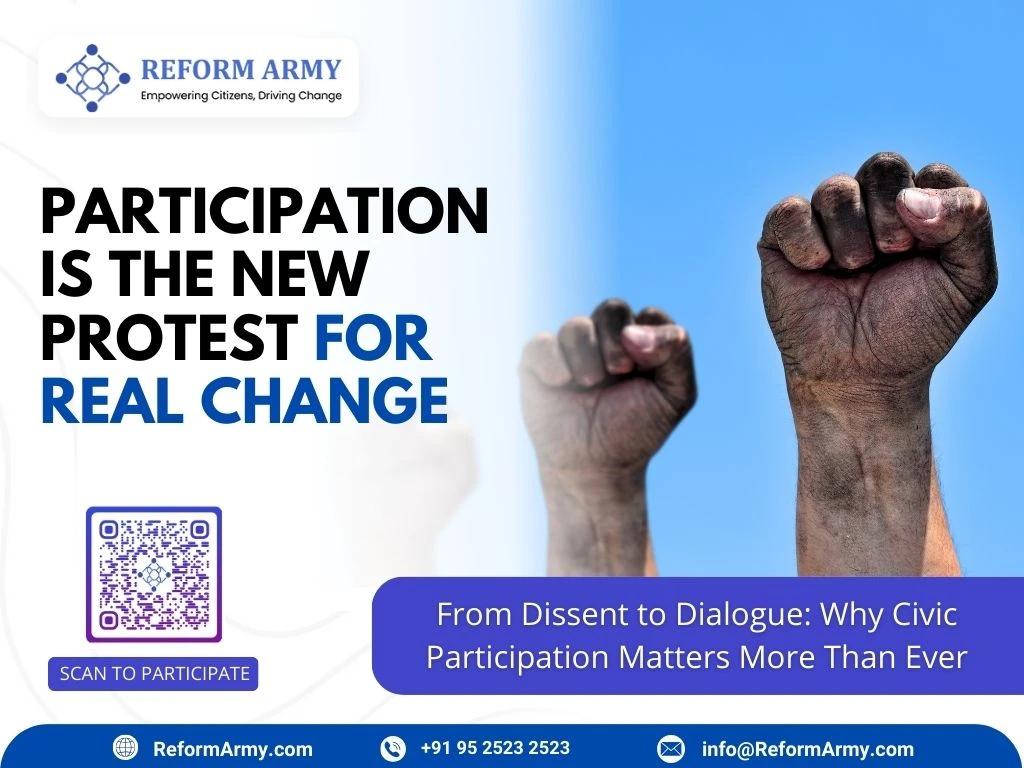
From Dissent to Dialogue: Why Civic Participation Matters More Than Ever
Beyond the Sound of Protest
Public expression has long been associated with raising concerns and demanding accountability. It reflects a society that is alert and willing to question systems that fail to deliver. However, contemporary governance requires more than visible dissatisfaction. Real progress emerges when concern is paired with consistent civic engagement, informed dialogue, and constructive contribution.
Raising a voice is important, but shaping outcomes requires sustained participation. When individuals contribute ideas, report challenges, and communicate with institutions, they move from being observers to stakeholders in public life. This shift marks the difference between expressing frustration and enabling reform.
The Power of Everyday Participation
Civic participation is not limited to formal platforms or positions of influence. It exists in everyday actions: identifying gaps in public services, suggesting practical improvements, and communicating with decision-makers. Each small step strengthens transparency and encourages responsiveness within systems.
Many hesitate because administrative structures appear distant and complex. Yet history demonstrates that consistent, collective input can refine policies, expose inefficiencies, and improve service delivery. Change rarely occurs through isolated effort; it grows through steady, cumulative participation.
Making Engagement Accessible
One of the most significant barriers to public involvement is accessibility. Not everyone has the time, resources, or opportunity to engage through traditional channels. Recognising this challenge, Jainam Jivika Foundation introduced Reform Army as a structured approach to citizen engagement.
The initiative focuses on email-based communication as a practical tool for civic contribution. By enabling individuals to report concerns, propose solutions, and reach relevant authorities directly, it simplifies participation. This method removes geographical and logistical barriers, allowing engagement from home while maintaining a formal and traceable record of communication.
From Concern to Constructive Input
Email campaigns create a documented pathway for dialogue. They allow citizens to present issues clearly, support them with evidence, and recommend feasible solutions. Such communication encourages accountability and fosters a culture of responsiveness.
More importantly, it transforms passive dissatisfaction into measurable contribution. Instead of remaining confined to discussion, concerns become part of an institutional conversation. This process strengthens democratic functioning by ensuring that governance is informed by real experiences and practical suggestions.
Collaboration in Governance
Effective governance benefits from collaboration between institutions and the public. When citizens participate constructively, they contribute local knowledge, highlight overlooked issues, and help refine service delivery. This collaborative approach improves trust and creates systems that are more inclusive and efficient.
Through Reform Army, participants take on the role of contributors rather than critics. They support transparency, encourage administrative responsiveness, and help shape solutions that address real needs. Even a single well-articulated email can initiate review, prompt clarification, or influence policy consideration.
Conclusion
The responsibility for better systems does not rest solely with institutions. It is shared with citizens who choose to engage constructively. Reform Army provides a channel through which this responsibility can be exercised in a practical and accessible manner.
Participation is not symbolic; it is transformative. It strengthens accountability, bridges the gap between concern and solution, and ensures that governance reflects lived realities. When individuals choose to contribute rather than remain silent, they help create systems that are responsive, transparent, and effective.
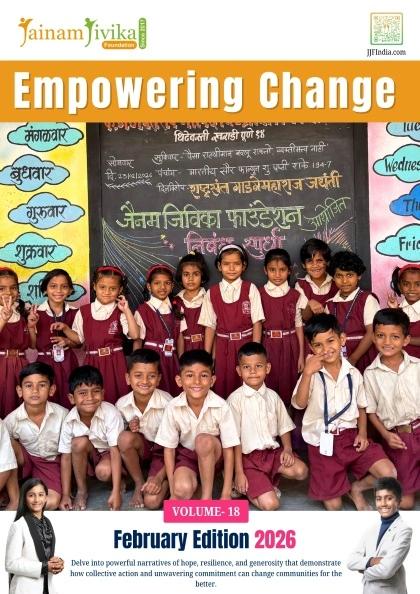
MONTHLY MAGAZINE
Social media icons









© 2024 - 2026 ReformArmy.com - An Initiative by Jainam Jivika Foundation. All Rights Reserved.